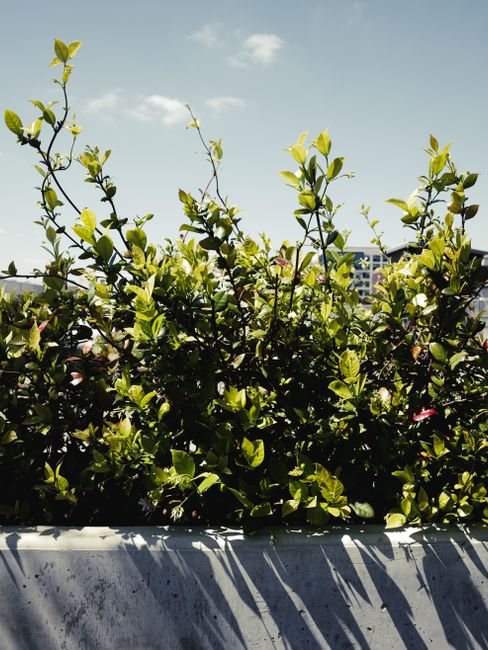
Docklands Commercial Gardeners for Office Planting and Upkeep
Office planting can change the feel of a workplace faster than almost anything else. A bright reception planter, a tidy planted terrace, or a well-kept entrance bed does more than "look nice" - it softens the hard edges of a busy business day and quietly tells visitors that the place is cared for. That is why Docklands commercial gardeners for office planting and upkeep matter so much in this part of London, where polished presentation and reliable maintenance go hand in hand.
In Docklands, office environments often have a mix of indoor planters, courtyard beds, roof terraces, entrance pots, and seasonal displays all needing different levels of care. The challenge is not just installing greenery. It is keeping it healthy, clean, safe, and consistent week after week. This guide breaks down what office planting and upkeep involves, how it works, what to expect, and how to avoid the common mistakes that turn a smart idea into a stressed-out plant corner. A lot of businesses get this wrong at first. No drama - it is usually fixable.
Table of Contents
- Why Docklands commercial gardeners for office planting and upkeep Matters
- How Docklands commercial gardeners for office planting and upkeep Works
- Key Benefits and Practical Advantages
- Who This Is For and When It Makes Sense
- Step-by-Step Guidance
- Expert Tips for Better Results
- Common Mistakes to Avoid
- Tools, Resources and Recommendations
- Law, Compliance, Standards, or Best Practice
- Options, Methods, or Comparison Table
- Case Study or Real-World Example
- Practical Checklist
- Conclusion
- Frequently Asked Questions
Why Docklands commercial gardeners for office planting and upkeep Matters
Commercial planting is not the same as home gardening. Offices need plant schemes that can handle lift traffic, artificial heating, limited natural light, cleaning schedules, and the occasional rushed Monday morning coffee spill. In Docklands, where many workplaces are modern, glass-heavy, and client-facing, planting has to work hard visually and practically. It should look sharp on day one and still look composed on a wet Wednesday afternoon six months later.
Well-planned office planting helps create a calmer atmosphere, improves first impressions, and supports the broader feel of the workplace. That matters for staff too. People notice greenery, even when they do not say it out loud. A plain lobby can feel a bit cold; a considered planting arrangement can make it feel grounded and far more welcoming. Truth be told, that small shift often has a bigger effect than businesses expect.
Upkeep is the other half of the story. A beautiful planter with drooping leaves, dusty surfaces, or dead stems quickly sends the wrong message. It suggests neglect, even if everything else in the office is running smoothly. Regular commercial garden maintenance keeps the planting scheme fresh, safe, and aligned with the company's image. If you already have outdoor spaces, pairing office planting with ongoing garden maintenance and related services such as landscaping or landscape gardening can make the whole site feel more coherent.
How Docklands commercial gardeners for office planting and upkeep Works
At a practical level, office planting and upkeep usually starts with a site review. A commercial gardener will look at where the light falls, how people move through the space, what the cleaning team does, whether there are temperature swings, and whether the planting will be indoors, outdoors, or both. That first look matters more than many people realise. A plant that is perfect for a sunny atrium may struggle beside a draughty entrance or under a strong air-conditioning vent.
From there, the planting plan is shaped around the office's usage. Some businesses want a simple, low-maintenance arrangement with sturdy foliage and minimal change. Others want a seasonal display that feels more dynamic. There is no single right answer. The best plans are built around the real rhythms of the workplace - visitor numbers, building access hours, branding, and upkeep expectations.
Upkeep normally includes watering, pruning, leaf cleaning, feeding, replacing tired plants, checking for pests, refreshing pots or top dressing, and keeping the area tidy. For external entrances and planted borders, services may also overlap with lawn mowing, hedge trimming, or even tree lopping and removal where mature planting or nearby trees affect light and safety. If the site needs a full refresh first, a one-off garden clearance can help clear away the clutter before the new scheme goes in.
The best commercial gardeners also work around office logistics. They know the difference between a quick morning visit and a disruptive one. They plan access routes, protect flooring, keep tools discreet, and avoid turning reception into a temporary greenhouse. That sounds obvious, but it is often the detail that separates a smooth contract from a messy one.
Key Benefits and Practical Advantages
There are several reasons companies invest in office planting and upkeep, and they are not all about appearance, though appearance is obviously part of it.
- Better first impressions: Well-kept planting makes receptions, meeting rooms, and outdoor terraces feel intentional and professional.
- More consistent presentation: Routine upkeep stops small issues from becoming obvious problems.
- Reduced workload for office teams: Staff do not need to chase plant care, replace failed displays, or remember watering schedules.
- Fewer plant losses: Commercial gardeners can spot stress early and correct it before the plant is beyond saving.
- Safer, tidier spaces: No overwatering puddles, broken leaves in walkways, or awkwardly placed pots blocking access.
- Better use of commercial space: Planting can define zones, soften hard interiors, and make outdoor areas usable in a more polished way.
There is also a quieter business benefit. When planting is maintained well, the office feels more stable. Visitors sense care. Employees feel the environment has been thought through. That matters in Docklands, where so many workspaces compete on feel as much as function.
Another advantage is resilience. A good commercial gardener understands that office spaces are not gentle environments. They can recommend planters, species, and maintenance intervals that hold up under real conditions rather than ideal ones. You want plants that survive the office, not just impress in a brochure photo.
Who This Is For and When It Makes Sense
This kind of service is a strong fit for:
- office managers who want the workplace to feel more welcoming
- facilities teams juggling multiple maintenance priorities
- property managers responsible for shared workspaces or managed buildings
- business owners who want a more polished client-facing environment
- design-led companies that use planting as part of their brand identity
- developments with internal courtyards, roof terraces, or communal entrance areas
It also makes sense when the current setup is becoming hard to manage. Maybe the plants look tired by the end of the month. Maybe the cleaning team keeps working around awkward pots. Maybe no one is quite sure who waters what. That is usually the moment to bring in a commercial gardener and reset the system properly.
Docklands offices often sit in buildings where outdoor access is limited or carefully controlled. In those settings, a reliable maintenance schedule is not a luxury. It is the thing that keeps the whole scheme from fading fast. If the wider site needs a more structured approach, reviewing the full services overview can help you see how planting fits alongside broader exterior care.
Step-by-Step Guidance
If you are planning office planting for the first time, or trying to rescue an underperforming scheme, this is the simplest way to approach it.
- Assess the space. Look at light, airflow, temperature, foot traffic, and access. A shaded hallway has very different needs from a bright riverside terrace.
- Define the goal. Are you aiming for branding, privacy, a calmer atmosphere, seasonal colour, or simple low-maintenance greenery?
- Choose suitable planting types. Match the plants to the conditions, not just to what looks good in the moment.
- Select the right containers or beds. Drainage, weight, durability, and appearance all matter. So does whether the office cleaner can move around them without hassle.
- Set an upkeep schedule. Decide how often watering, pruning, feeding, and replacements will happen. Weekly is common for high-visibility spaces, but the right frequency depends on the site.
- Build in contingency. Plants die. It happens. A good plan allows for occasional replacements rather than pretending everything will be flawless forever.
- Review after the first month. That first check tells you whether the lighting, watering, and placements are actually working in practice.
If there is already dense overgrowth or a neglected exterior area, combining planting with garden clearance or structural improvements through landscaping may be the smarter start. It is a bit like redecorating a room: sometimes you need to sort the base before you add the nice bits.
One thing worth saying plainly - do not overpack the space. Offices get cluttered quickly. A few well-chosen plant zones usually work better than a jungle of mismatched pots fighting each other for attention.
Expert Tips for Better Results
After years of seeing office schemes succeed or wobble, a few practical habits stand out.
Choose plants for the real environment. Artificial light, heat vents, entrance draughts, and occasional neglect all shape what will survive. A hardy, forgiving plant is often a better choice than a dramatic one.
Keep the palette controlled. Three or four strong planting types usually look better than a random mix. The space feels calmer, and upkeep becomes easier too.
Plan for the cleaning schedule. This is a big one. If the cleaning team sprays near plants, or if floors are polished around planters, the maintenance plan needs to account for that. Otherwise, you end up with patchy damage and a lot of unnecessary moaning.
Use planting to guide movement. Pots and beds can subtly direct people through receptions, break out outdoor seating areas, and soften hard corners. It is a simple trick, but a useful one.
Make replacements part of the contract. Even with the best care, some plants will fail. That does not mean the scheme is poor. It means it is alive. Quite literally.
Keep an eye on seasonal light changes. A space that works well in summer can become gloomy in winter. In London, that shift is noticeable. The morning light in December is not the same as July, and your planting plan should respect that.
If the office has exterior hedging or boundary planting, keeping those elements tidy through hedge trimming can improve the view from inside as much as from outside. Small change, big effect.
Common Mistakes to Avoid
The most common mistake is choosing plants because they look good in a showroom, not because they fit the building. That can work for a week or two, then the leaves droop, the soil dries out unevenly, and someone decides the whole idea was a hassle. It was not the idea. It was the mismatch.
Another frequent problem is poor maintenance timing. Offices often need care at specific windows - before opening, during quieter afternoons, or on agreed out-of-hours visits. If the schedule is vague, upkeep gets delayed. Once that happens, the planting starts to look tired fast.
Here are a few others worth watching:
- using oversized planters that restrict movement or block light
- ignoring drainage and causing water damage
- placing plants too close to heat sources
- failing to replace weak plants early enough
- leaving dead leaves, fallen soil, or stale water visible to visitors
- treating outdoor and indoor planting as the same job
To be fair, most of these mistakes are easy to avoid once someone takes ownership of the scheme. The trouble is that in many offices, no one does. The plan exists, but the responsibility is blurry. And blurry responsibility, as you might guess, is where plants go to suffer.
Tools, Resources and Recommendations
A solid office planting setup relies on more than a few nice pots. The best commercial gardeners use practical tools and straightforward systems to keep things consistent.
- Moisture checks: Helps avoid overwatering and underwatering.
- Pruning tools: Keeps growth tidy and encourages healthy shape.
- Cleaning cloths and leaf care products: Especially useful for indoor foliage in reception spaces.
- Replacement stock: Important for high-visibility schemes where a dead plant would stand out.
- Access equipment: Needed for taller planting, roof terraces, or awkward outdoor areas.
- Maintenance logs: Very useful for offices with multiple stakeholders or building management teams.
For businesses comparing service providers, it helps to look at the practical setup behind the scenes. Ask how upkeep is scheduled, how replacements are handled, and whether the team can coordinate with other site works. Where sustainability matters, it is also sensible to ask about waste handling and re-use. The company's approach to recycling and sustainability can be a useful indicator of how thoughtfully they work overall.
You may also want to review pricing and quotes carefully so you understand what is included, what counts as extra, and how replacement planting is treated. That sort of detail saves awkward conversations later. Always worth it.
Law, Compliance, Standards, or Best Practice
Office planting is usually not a heavily regulated activity on its own, but it still sits within a broader framework of workplace care, access, and safety. In practice, that means sensible attention to trip hazards, water spill risks, access routes, fire safety considerations, and general site management. If pots or displays reduce clear walkways, or if maintenance work interrupts safe movement through the building, the scheme needs adjusting.
For commercial sites, the real expectation is often best practice rather than a single rule. A reliable garden contractor should work in line with the site's own health and safety procedures, keep tools secure, and avoid creating avoidable risks for staff or visitors. If works happen in public-facing spaces, that matters even more. A bit of loose soil near a polished floor may seem trivial until somebody slips. Nobody wants that.
It is also sensible to check that your contractor has suitable cover and follows clear site procedures. If you are weighing up providers, pages such as insurance and safety and the company's health and safety policy can help you understand how they approach risk. For organisations that need transparent business terms, terms and conditions and payment and security information also matter.
In Docklands, many sites operate with managed access, shared entrances, or layered tenant responsibilities. That means maintenance providers need to be tidy, punctual, and careful about coordination. Best practice is not just about plant health. It is about respecting the building and the people in it.
Options, Methods, or Comparison Table
Office planting can be delivered in a few different ways, and the right choice depends on the building, budget, and how hands-on your team wants to be.
| Approach | Best for | Pros | Watch-outs |
|---|---|---|---|
| Low-maintenance indoor planting | Busy offices with limited time | Simple to manage, tidy appearance, fewer interventions | Can look static if never refreshed |
| Seasonal planting displays | Client-facing spaces and reception areas | Fresh, lively, visually strong | Needs more frequent upkeep and replacement |
| Mixed indoor and outdoor schemes | Premises with terraces, entrances, or courtyards | Creates a cohesive overall look | More coordination required across different areas |
| Plant hire with ongoing care | Businesses wanting flexibility | Easy to update and scale | Requires clear service terms and replacement planning |
For many offices, the best answer is a mixed approach: sturdy indoor plants for day-to-day consistency, plus more expressive outdoor planting where the building benefits from a stronger visual statement. That balance keeps things interesting without creating maintenance overload.
Case Study or Real-World Example
Imagine a Docklands office with a glass reception, a compact courtyard, and a few planters near the entrance. The original setup looked fine in spring, but by late summer the leaves were dusty, two plants had failed, and the courtyard beds had started to feel a bit forgotten. Visitors could see it straight away. Staff had noticed too, though they had stopped mentioning it because, well, people usually do.
The fix was not dramatic. A commercial gardener reviewed the site, replaced the worst-performing plants, simplified the selection, improved the watering routine, and trimmed back surrounding growth so the courtyard could breathe. The entrance planters were refreshed with a cleaner mix, and the maintenance schedule became clearer. No magic. Just better judgment and steady upkeep.
Within a short period, the space felt more deliberate. The reception looked calmer. The courtyard was easier to use. The plants no longer seemed like an afterthought. That is often the real win with office planting. Not perfection. Just a place that feels looked after.
Practical Checklist
Before you commission Docklands commercial gardeners for office planting and upkeep, run through this checklist.
- Have you identified the key spaces that need planting?
- Do you know whether the planting is indoor, outdoor, or both?
- Have you reviewed light, airflow, and temperature conditions?
- Is the goal mainly visual impact, low maintenance, branding, or privacy?
- Have you decided who will own the upkeep schedule internally?
- Are access times and building rules clear?
- Do you know how replacements will be handled if plants fail?
- Have you considered safety, drainage, and walkways?
- Is there a cleaning or facilities team the gardener needs to coordinate with?
- Have you asked for a clear quote and scope of work?
Expert summary: The best office planting schemes are not the most elaborate ones. They are the ones that match the space, respect the building, and stay tidy with realistic upkeep. Keep it simple enough to sustain, and the results usually look better for longer.
If you are comparing providers, it may help to learn more about the company behind the service on the about us page before making a decision. And if you already know you want to get things moving, you can always contact the team once you are ready to talk through the site in more detail.
Conclusion
Office planting in Docklands works best when it is treated as part of the building's day-to-day identity, not as a decorative extra. The right plants, the right containers, and a reliable upkeep plan can completely change how a workplace feels. It becomes more welcoming, more balanced, and easier to live with. And yes, easier to keep looking good on a busy week when nobody has time to fuss over it.
Whether you are refreshing a reception, improving a terrace, or finally sorting out planters that have been left to fend for themselves, the key is the same: choose a commercial gardener who understands the space, the pressure of office routines, and the need for consistency. That is what turns planting from a nice idea into a genuine asset.
Get a free quote today and see how much you can save.
Good planting quietly lifts the whole place. Once it is right, you will feel it every time you walk through the door.
Frequently Asked Questions
What do Docklands commercial gardeners for office planting and upkeep actually do?
They design, install, and maintain planting for offices and commercial buildings. That includes selecting suitable plants, placing them correctly, watering, pruning, refreshing tired displays, and keeping the area tidy and safe.
How often does office planting need upkeep?
It depends on the space, plant types, and lighting. High-visibility office planting may need weekly attention, while simpler schemes can sometimes run on a lighter schedule. The key is matching the routine to the real conditions.
Is indoor office planting harder to maintain than outdoor planting?
Not always, but it does have different challenges. Indoor planting often deals with heating, low light, and air circulation issues, while outdoor areas face weather, wind, and seasonal change. Both need a proper plan.
What are the best plants for a Docklands office?
The best plants are usually hardy, adaptable, and suited to the available light. A commercial gardener will choose based on the actual room or terrace rather than a generic list, which is much safer.
Can office planting help make a workplace look more professional?
Yes. Well-kept planting improves first impressions, softens harsh interiors, and makes client-facing areas feel more polished. It is a small detail that can make the whole workplace seem more considered.
What happens if a plant dies?
That depends on the contract. Good commercial upkeep plans usually include replacement or a clear process for dealing with failed plants. It is sensible to ask about this before work begins.
Do commercial gardeners work around office hours?
Usually, yes. Many providers can schedule visits before opening, after hours, or during quieter periods to avoid disruption. That flexibility is often essential in busy offices.
How do I know if my office needs planting support?
If the displays are inconsistent, staff are unofficially taking care of them, or the space looks tired despite best efforts, it is probably time to bring in a commercial gardener. If you have to keep "just one more plant" alive yourself, that is usually a clue.
Can planting be combined with other exterior maintenance?
Absolutely. Office planting often works best alongside broader site care such as landscaping, hedge trimming, garden maintenance, or lawn care, especially where entrances, terraces, or courtyard areas are involved.
What should I ask for in a quote?
Ask what is included, how often visits happen, whether replacements are covered, how access is managed, and what happens if the site conditions change. Clear scope now saves confusion later.
Are sustainability and recycling relevant to office planting?
Yes, they often are. Good providers should be able to explain how they handle green waste, reuse materials where possible, and reduce unnecessary waste. That is one reason the recycling and sustainability approach matters.
Where can I review the provider's policies before starting?
It is sensible to look at useful trust pages such as insurance and safety, health and safety policy, pricing and quotes, and terms and conditions so you know how the service is structured before committing.